

Digital Commissioning & Remote Service: Efficiency Boosters for System Partners

More complex systems, stricter regulatory requirements, increasing connectivity, and a noticeable shortage of skilled workers present major challenges for system partners, integrators, and OEMs.
Why the Cyber Resilience Act Is Becoming Relevant Now

With the Cyber Resilience Act (CRA), the European Union is establishing, for the first time, a clear framework for the cybersecurity of products with digital elements.
HVAC Retrofit in Existing Buildings: Improving Energy Efficiency Without Renovation

While new buildings are increasingly being designed to be energy-efficient, the greatest potential for savings still lies in existing buildings.
Advantages of F-Bus in Building Automation

SE-Elektronic F-Bus: Less Wiring, Faster Commissioning, Greater Reliability.
F‑Bus explained simply – The SE‑Elektronic fieldbus system in detail

The SE‑Elektronic F‑Bus explained: functions, benefits, and applications in building automation
Efficiency rather than guesswork: how data creates transparency

In practice, what counts is what works: ensuring comfort, protecting systems and using energy efficiently – sustainably and transparently.
Building Automation 2026: How AI, Regulation and Retrofits Are Transforming HVAC Systems

Rising energy prices, ambitious climate targets and new technologies are fundamentally changing expectations of HVAC systems.
Common mistakes in building automation – and how to avoid them early on with DDC
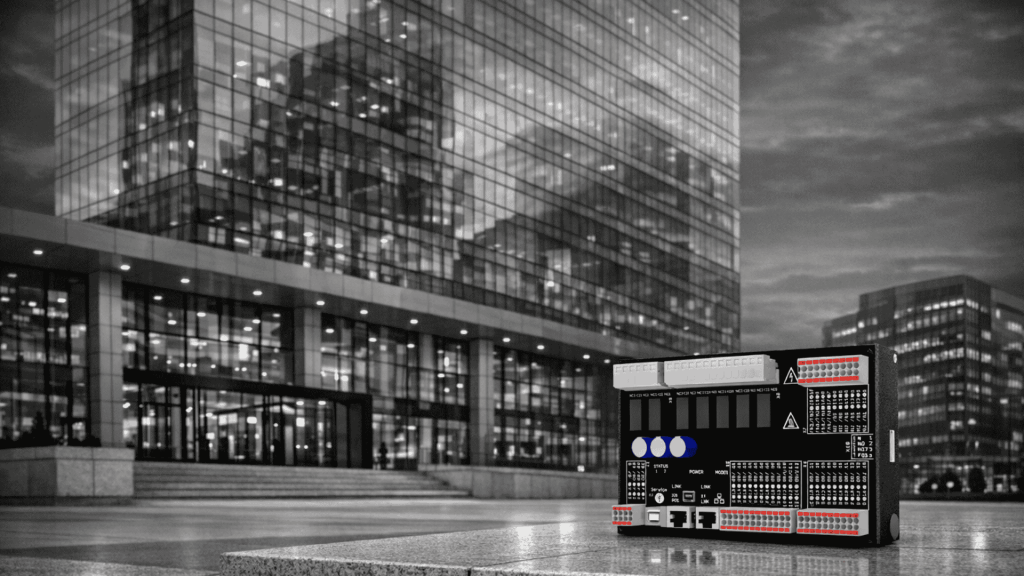
Design flaws are not a minor issue – they often affect the stability of the system throughout its entire service life.
Retrofit for fan walls: A breath of fresh air for old ventilation systems
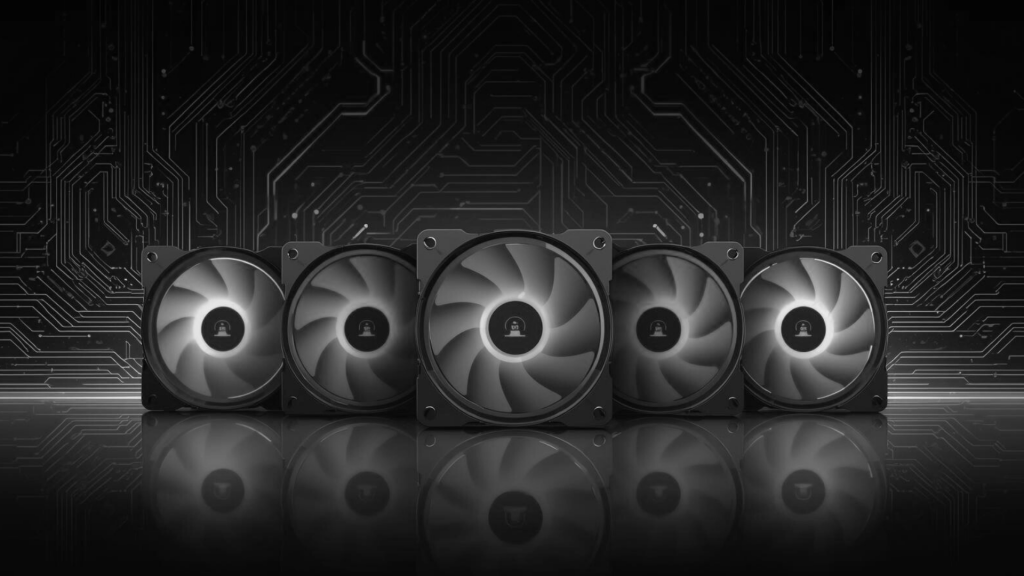
A retrofit begins with the removal of the old fan. But when is a retrofit worthwhile?
Why data points are the new currency of building automation

Data points make buildings smart, efficient and future-proof – and are therefore the key to modern building automation.