
Direct Digital Control (DDC): The key technology for efficient and intelligent buildings
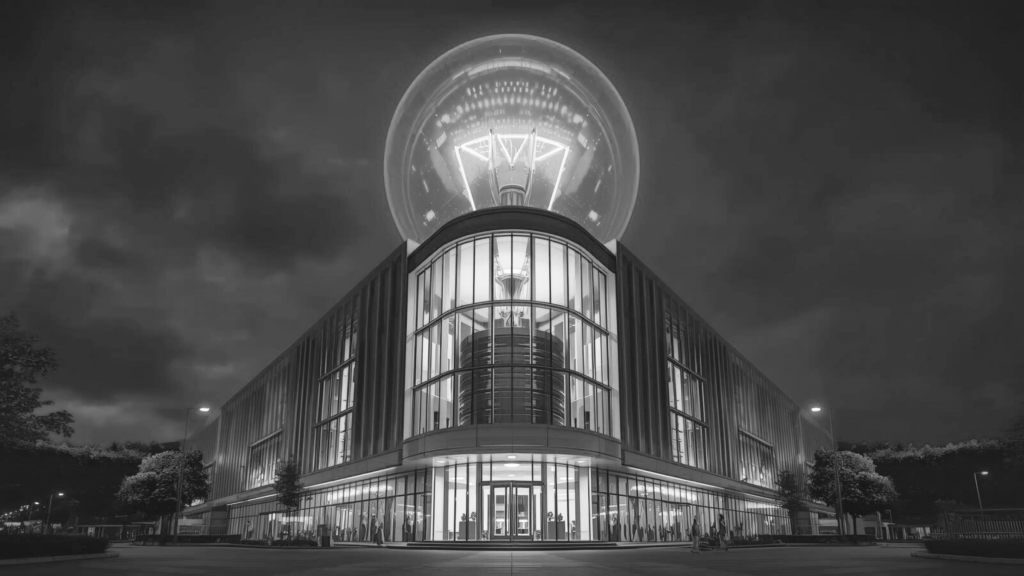
Direct Digital Control, or DDC for short, describes control systems that record, control and monitor building technology entirely digitally.
DIN EN 18031 and the Cyber Resilience Act
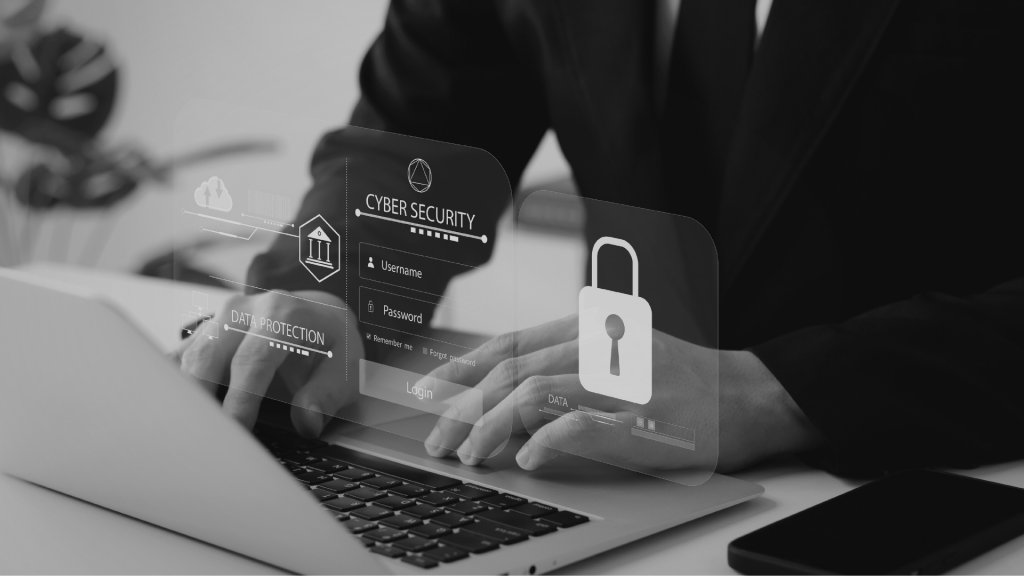
DIN EN 18031 has been mandatory since August 2025 – and the CRA sets the EU-wide framework for this.
Energy efficiency: potential savings in non-residential buildings
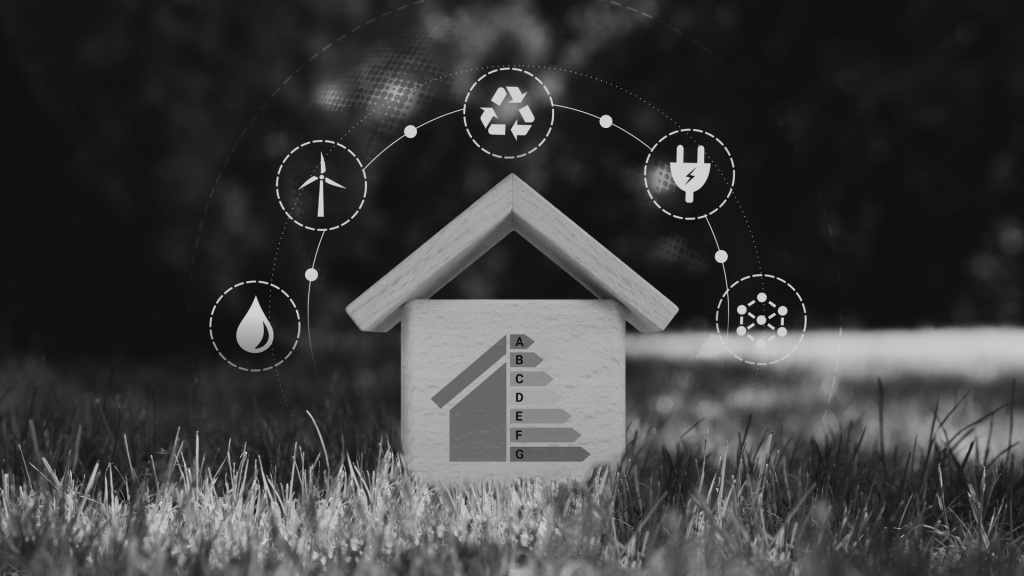
Many non-residential buildings waste energy – modern DDC controls enable more efficient operation.
Modbus – The classic industrial communication protocol
What makes Modbus so successful, how does it work, and what role does it play today in building automation?
Understanding BACnet, Modbus, and F-Bus: Applications, Advantages, Best Practices

BACnet, Modbus, and F-Bus – what are the respective differences and strengths?
How buildings are becoming intelligent – and energy consumption smarter
We explain how cloud- and AI-based automation makes buildings smarter.
Cybersecurity in smart buildings: The biggest risks and best practices

Building automation is often integrated into the corporate network and the cloud – we highlight the main risks.
BACnet: The language that intelligently connects buildings

What exactly is behind BACnet? How does the standard work? And why is it important in modern smart buildings?
IoT, cloud, AI: Why fieldbus technology remains indispensable

IoT, cloud, and AI shape modern buildings. But what does that mean for the fieldbus—and how do we respond at SE?
Fieldbus Systems – The Base of Modern Building Automation
Instead of individual wiring, modern systems today use digital field buses – the foundation for smart buildings and efficient systems.